
Signs of a Slab Leak in Your Orange County Home (and What to Do Next)
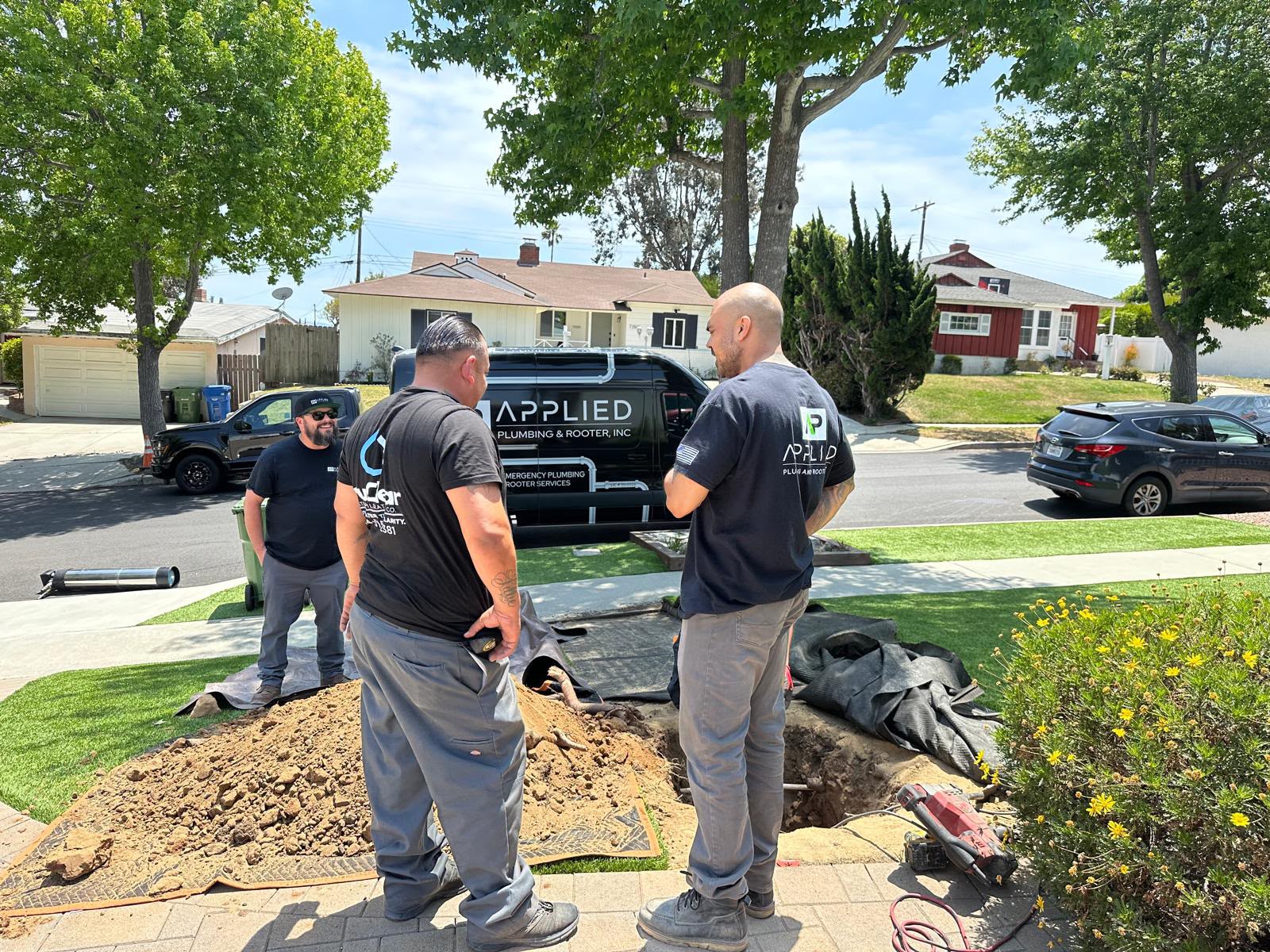
A slab leak is simply a water line leaking beneath or within the solid concrete foundation slab of your home. Because the pipes are hidden entirely out of sight, a slab leak can go undetected for weeks or even months while water quietly saturates the soil and foundation beneath your living room or kitchen.
Slab leaks are an exceptionally common plumbing emergency throughout Orange County, where the vast majority of tract homes built from the 1960s onward rest on slab-on-grade concrete foundations. Recognizing the subtle early warning signs of a slab leak allows you to take action before structural damage, toxic mold growth, or astronomical water bills ruin your home.
What Is a Slab Leak and Why Are OC Homes So Vulnerable?
When your home was constructed, pressurized hot and cold copper supply lines—and in some cases drain lines—were laid across the building footprint before concrete was poured. Over time, these buried metallic pipes are subjected to three major stressors that cause small pinhole leaks or joint failures beneath the slab:
Hard Water Chemistry
Orange County water is notoriously hard. Local water purveyors like Irvine Ranch Water District (IRWD) supply surface water averaging about 276 ppm (16 grains per gallon). Over years, dissolved minerals trigger internal pitting corrosion in copper lines.
Expansive Clay Soils
Orange County's soil contains high concentrations of expansive clay that swells during rainy winters and contracts during dry Southern California summers. Soil movement puts physical shear stress on copper pipes embedded in concrete.
Thermal Expansion
Hot water lines constantly expand and contract as water flows and cools. When a hot line rubs against rebar, gravel, or coarse concrete over thousands of cycles, the copper wall thins out until a friction pinhole develops.
Related Reading: Learn more about how municipal water affects your pipes in our guide to Hard Water in Orange County and our breakdown of High Water Pressure in Irvine Hillside Homes.
The 9 Warning Signs of a Slab Leak
Because the leaking pipe is enclosed under concrete, you won't see a gushing spray. Instead, look out for these nine telltale warning signs in your home:
1An Unexplained Spike in Your Monthly Water Bill
Even a tiny pinhole leak under 60 psi of household water pressure can waste over 250 to 1,000 gallons of water per day. If your water bill jumps significantly without an increase in household usage or seasonal irrigation, water is escaping somewhere underground.
2The Sound of Running Water When Everything Is Off
When the house is completely quiet, walk into hallways, bathrooms, or near the water heater closet. If you hear a soft rushing, hissing, or humming sound behind walls or beneath the floor—and every faucet, toilet, and appliance is shut off—water is actively flowing under your foundation.
3Warm or Hot Spots on Your Flooring
If a leak develops in a hot water supply line, heat transfers upward through the concrete slab and warms tile, vinyl, or hardwood floors. If you notice a warm patch underfoot or notice your dog or cat suddenly loves sleeping on a specific spot in the hallway, a hot line is leaking underneath.
4Cracks in Interior Flooring or Baseboards
As water saturates the soil beneath your slab, expansive clay expands and exerts upward hydraulic pressure against the concrete. This can cause floor tile grout to crack, laminate planks to buckle, or baseboards to pull away from walls.
5Unexplained Drop in Water Pressure
A severe leak diverts water volume away from your fixtures. If you notice your shower pressure suddenly feels weak or your kitchen faucet struggles to maintain flow when another tap opens, pressurized supply is leaking before reaching your taps.
6Damp, Warped, or Discolored Flooring
Eventually, moisture wicks upward through porous concrete slab pores. Hardwood flooring may cup or warp, carpets develop damp patches or dark staining, and vinyl flooring may bubble or unglue from the subfloor.
7Mildew or Musty Smells with No Obvious Source
Moisture trapped beneath carpets, floor underlayment, or drywall creates an ideal environment for mold and mildew. If a room smells persistently earthy or damp despite thorough cleaning, moisture is rising from underneath.
8Pooling Water Around the Exterior Foundation
Water leaking under the slab seeks the path of least resistance. You may notice muddy soil, standing water, or unusually plush green grass hugging your exterior foundation walls even during hot summer stretches.
9The Water Meter Spinning When No Water Is in Use
This is the ultimate diagnostic check. Turn off all faucets, showers, washing machines, and sprinklers. Go to your water meter box near the curb. Look at the small low-flow leak indicator (a small red/blue triangle or spinner). If it is rotating while all household fixtures are off, water is actively leaking.
Why You Shouldn't Wait to Address a Slab Leak
Ignoring a suspected slab leak hoping it will resolve itself is a costly mistake. Water running continuously beneath a foundation leads to cascading risks:
- Foundation Settlement:Over time, flowing water washes away supporting soil and sub-base material under the slab, creating hollow voids that cause concrete settling and major structural cracking.
- Toxic Mold Growth:Moisture trapped under flooring and behind drywall triggers mold growth within 24 to 48 hours, posing serious health risks to your family and requiring expensive mold remediation.
- Compounded Water Bills:A minor leak left unaddressed for three months can easily waste $1,000+ in excess municipal water charges.
What to Do Right Now (Step-by-Step Action Plan)
If you suspect a slab leak in your home right now, follow these practical steps:
- 1. Perform the 5-Minute Water Meter Test
Turn off all water fixtures inside and outside. Check your water meter at the street. If the leak indicator dial is spinning, you have confirmed active water loss.
- 2. Shut Off the Main Water Valve If Water Is Pooling
If water is actively rising through floorboards or your water heater is running non-stop, shut off your main water shutoff valve (usually located on the exterior front wall or near the water meter) to halt damage.
- 3. Do NOT Let Anyone Jackhammer on a Guess
Never allow a plumber or contractor to start breaking up your floor based on a hunch. Outdated trial-and-error digging destroys flooring and concrete unnecessarily.
- 4. Call a Licensed Plumber with Electronic Leak Detection Equipment
Contact a licensed C-36 plumbing specialist who uses electromagnetic line locators, acoustic listening discs, and thermal imaging cameras to pinpoint the exact leak location through concrete within inches before touch any tools to the floor.
How Professional Plumbers Locate and Repair Slab Leaks
Modern slab leak repair starts with non-invasive electronic leak detection. Using ultra-sensitive acoustic equipment, technicians listen through concrete for the ultrasonic frequency of escaping water. Thermal cameras detect temperature anomalies from hot water leaks beneath flooring.
Once the exact location and condition of the pipe are determined, there are three primary repair approaches:
Direct Spot Repair
A single, precise opening is made in the concrete slab directly over the leak location to cut out and replace the damaged copper fitting or section. Best for newer plumbing or isolated physical damage.
Line Reroute (Bypass)
Instead of opening the floor, the damaged underground pipe is capped off and abandoned beneath the slab. A new PEX or copper water line is routed through attic or wall spaces above, avoiding floor destruction entirely.
Whole-House Repipe
If an older copper system has experienced multiple slab leaks, the entire water supply is upgraded to corrosion-proof PEX above the slab. For deeper insights, see our Irvine Tract Home Slab Leak Guide.
How to Prevent Future Slab Leaks in Your Home
While you can't change the concrete beneath your home, you can take active steps to protect your pipes:
- Maintain Safe Water Pressure: Keep household water pressure between 50 and 60 psi. Install or replace a Pressure Reducing Valve (PRV) if pressure exceeds 80 psi.
- Condition Hard Water: Whole-home water softeners or filtration systems reduce mineral buildup and slow internal copper corrosion.
- Schedule Annual Plumbing Inspections: Have a licensed plumber check water pressure, water heater condition, and main valves once a year.
Frequently Asked Questions
Suspect a Slab Leak in Your Orange County Home?
Applied Plumbing & Rooter, Inc. (CSLB Lic. #1151992) offers 24/7 non-invasive electronic leak detection and full repair solutions across Irvine, Newport Beach, Huntington Beach, and all of Orange County. We locate the leak before touching your flooring.